


Panela sugar is an unrefined cane sugar traditionally used throughout Latin America. Known for its rich caramel flavor, natural molasses notes, and versatility in coffee, baking, sauces, and traditional recipes, panela remains a pantry staple in many households. In this guide, you'll learn what panela sugar is, how it compares to other sugars, how to cook with it successfully, and how to choose the right panela for your kitchen.
- Panela sugar is made by evaporating sugarcane juice and is sold in solid or granulated form.
- Dolca Panela Sugar suits home cooks seeking caramel depth in coffee and brown-sugar-style recipes.
- Match panela’s form to your recipe, and follow its quantities and preparation method.
What Is Panela Sugar?
Panela sugar is an unrefined cane sugar made by evaporating freshly pressed sugarcane juice. Unlike refined white sugar, panela retains more of the sugarcane's natural color, flavor, and aroma. It is commonly sold in blocks, cones, discs, or granulated form and is widely used throughout Colombia, Mexico, Central America, and other Latin American countries.
Names vary by region. In Mexico, this type of cane sugar is commonly called piloncillo; in Colombia, panela is the familiar name. When following a family recipe, check both the ingredient name and the form it expects.
What Does Panela Sugar Taste Like?
Panela has a rich, complex sweetness with notes of caramel, toffee, molasses, and cooked sugarcane. Its flavor is deeper than white sugar but less intense than blackstrap molasses, making it popular in coffee, baked goods, sauces, and traditional Latin American beverages.
That character is its main cooking advantage. Choose panela when you want sweetness to contribute flavor, rather than disappear behind the other ingredients. Its color and flavor can vary between products, so taste the panela you plan to use before deciding how it fits a familiar dish.
Why panela sugar matters for Latin American home cooks
Morning coffee, a family dessert and a gently simmered sauce ask different things of sugar. Panela brings its own flavor rather than sweetness alone, so the right choice starts with what you want the finished food to taste like.
For Latin American home cooks, another consideration is the recipe’s origin. A family instruction that simply says panela does not necessarily describe the same physical form you have in your pantry. Check whether the recipe expects a solid piece, grated sugar or loose granules before measuring.
Choose panela when its caramel character belongs in the dish. A useful pantry habit is to record the form of panela alongside its name, especially when sharing recipes between households.
Panela Sugar vs Brown Sugar
Panela sugar and brown sugar are not the same ingredient. Panela is made by concentrating sugarcane juice; most supermarket brown sugar is refined white sugar with molasses added back. Both bring deeper flavor to cooking, but their texture and measuring behavior differ.
| Feature | Panela Sugar | Brown Sugar |
|---|---|---|
| Processing | Unrefined, concentrated sugarcane juice | Usually refined sugar with molasses added |
| Flavor | Rich caramel and sugarcane notes | Mild molasses flavor, stronger in dark varieties |
| Texture | Granulated or solid blocks, cones or discs | Typically soft and moist |
| Common Uses | Coffee, baking, drinks and sauces | Baking and desserts |
Panela is best for cooks who want a distinct sugarcane flavor. Its limitation is that a solid block does not measure or mix like soft brown sugar without preparation. Brown sugar is best for recipes developed around its moist texture; it does not offer exactly the same flavor as panela.
For a reliable result, follow the recipe’s guidance rather than assuming the two ingredients have identical moisture, packing or dissolving behavior.
How to cook with panela confidently
1. Identify the sugar your recipe actually needs
Start with the original recipe, especially when you are cooking a dish passed between relatives. Read beyond the ingredient name: the preparation instructions often reveal whether the sugar needs dissolving, grating or mixing directly into a batter.
Use your existing recipe and a kitchen scale before changing ingredients. If the recipe gives a weight, keep that measurement; a loosely filled cup and a tightly packed cup are not interchangeable instructions.
- Check the exact sugar name in the ingredient list.
- Note whether the recipe specifies weight, packing or preparation.
- Keep the original quantity and method together.
- Choose a published panela recipe when you want a dependable starting point.
2. Match the flavor to the dish
Think about the flavors already in your food. Panela’s caramel and molasses-like notes fit naturally when you want a deeper sweetness alongside coffee, chocolate or warm spices; they are less discreet in a delicate dessert where the other ingredients should lead.
For a drink or sauce that is safe to taste during preparation, compare the flavor before making a larger batch. Follow a published recipe for any change in quantity, and never taste raw batter containing uncooked flour or eggs.
- Best for coffee: choose panela when you enjoy a caramel note.
- Best for brown-sugar-style desserts: look for a recipe that welcomes deeper flavor.
- Best for traditional beverages: follow a recipe written for panela or piloncillo in the form you have.
- Best for savory sauces: use panela where the published recipe calls for it.
3. Choose the product for the job
You can begin with the panela already in your cupboard, provided its form matches the recipe. When selecting panela sugar, look for a product made from 100% unrefined cane sugar with no additives. Dolca Panela Sugar is crafted from Colombian sugarcane and offers the rich caramel flavor, golden color, and authentic taste home cooks expect from traditional panela.
Dolca Panela Sugar is best for home cooks who want caramel depth in coffee and brown-sugar-style recipes. Its distinct flavor is a strength when you want that character, but it is less discreet in delicate desserts.
4. Follow the recipe’s dissolving and mixing method
Panela’s physical form matters before the food reaches the table. Solid pieces need a different preparation step from loose granules, so follow instructions that match what you have rather than adding extra liquid to force a substitution.
In drinks and sauces, check that the sugar has dissolved as the recipe directs. In baking, keep the stated mixing sequence: dissolving sugar first and mixing it into fat are different methods, not interchangeable shortcuts.
Do not borrow cooking temperatures or timing from an unrelated recipe. Record the sugar’s form as carefully as its name; that detail helps you repeat the result.
- Prepare solid panela only as your chosen recipe directs.
- Check for undissolved sugar before serving a drink.
- Keep the recipe’s liquid quantity unchanged unless instructed otherwise.
- Preserve the stated mixing order for cakes and cookies.
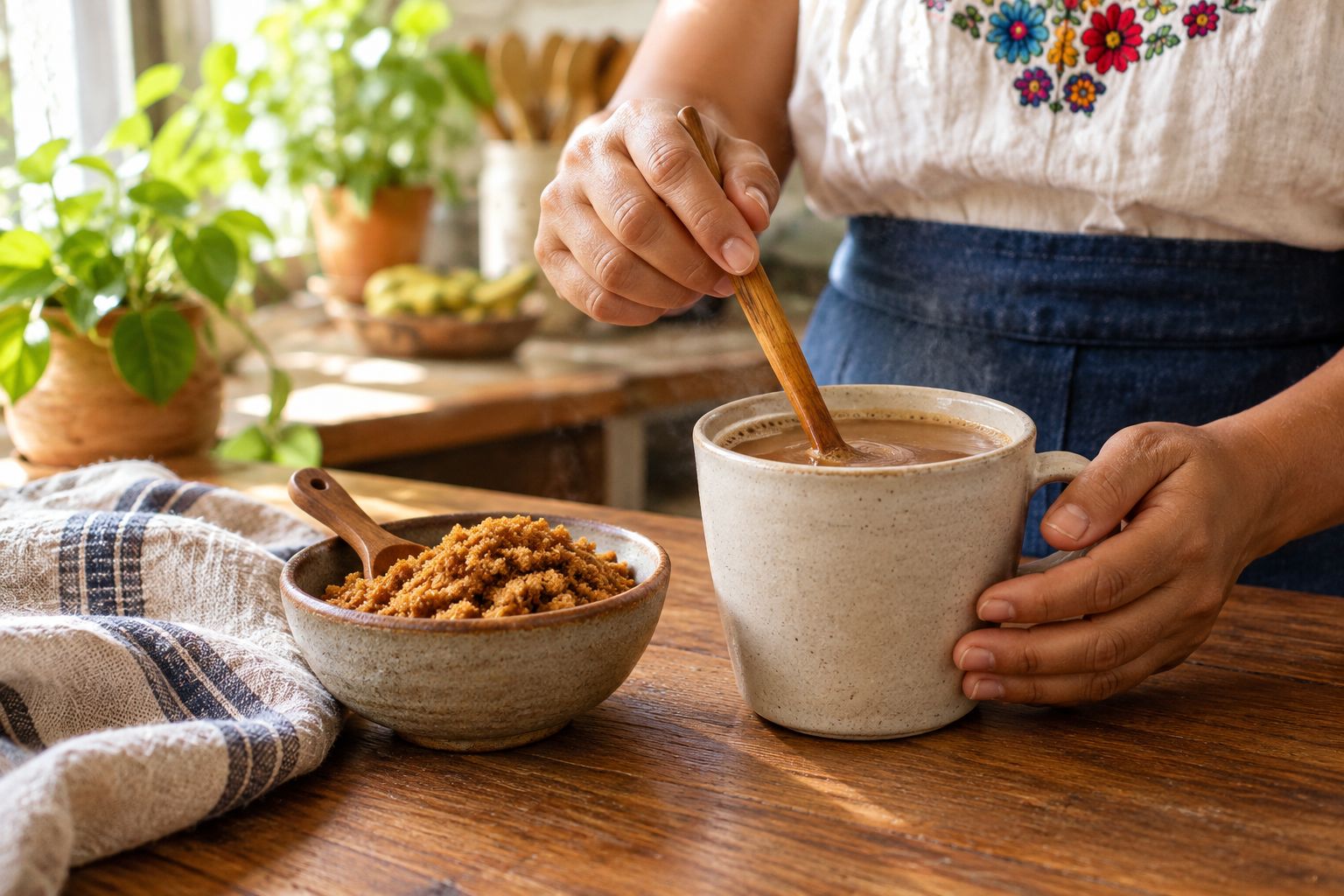
Best Uses for Panela Sugar
Panela sugar is one of the most versatile traditional sweeteners in Latin American cooking. Its rich caramel flavor works especially well in beverages, baked goods, desserts, and savory recipes where a deeper sweetness is desired.
Popular ways to use panela sugar include:
- Coffee and espresso drinks
- Aguapanela
- Café de olla
- Hot chocolate
- Cakes and cookies
- Flan and traditional desserts
- Oatmeal and breakfast recipes
- Marinades and barbecue sauces
- Fruit-based desserts
- Traditional Latin American beverages
Dolca Panela Sugar is ideal for recipes where authentic sugarcane flavor is part of the finished dish. Its rich caramel notes complement both sweet and savory recipes while delivering the traditional taste home cooks expect from genuine Colombian panela.
When choosing a recipe, match the form of panela you have, whether granulated or solid, and follow the recipe's preparation method for the most reliable results.
For panela recipes to try, start with gingerbread cookies with Dolca Panela, pecan pie without corn syrup, or apple crisp with a panela oat topping.
Common mistakes Latin American home cooks make with panela
Treating every regional sugar name as the same instruction
A familiar name can hide a practical difference in form or preparation. Read the recipe’s description and method before deciding that the sugar in your cupboard is ready to measure straight from the package.
Replacing another sugar without considering flavor
Panela brings character, which is exactly why you might choose it. Keep that advantage intentional: a delicate dessert and a deeply flavored coffee drink do not need the same sugar profile.
Measuring solid and granulated panela the same way
A piece broken from a block does not fill a measuring cup like loose granules. Use the weight and preparation specified by your recipe rather than estimating from the size of a chunk.
Changing sugar and liquid together
Switching from a dry sugar to honey or maple syrup changes more than sweetness. Stay with a recipe written for that liquid sweetener rather than changing both sugar and liquid without a tested method.
Why Many Home Cooks Choose Dolca Panela Sugar
Great panela begins with quality sugarcane. Dolca Panela Sugar delivers the rich caramel flavor and authentic character that make panela a staple in Latin American kitchens. Whether you're sweetening coffee, preparing traditional recipes, or adding depth to baked goods, it provides the flavor and versatility that home cooks expect from genuine panela sugar.

FAQ
What is panela sugar?
Panela sugar is unrefined cane sugar made by evaporating sugarcane juice. It is sold in solid or granulated form and brings caramel and molasses-like flavor to drinks, sauces and baking.
Is panela sugar the same as brown sugar?
No. Panela is concentrated sugarcane juice, while most supermarket brown sugar is refined white sugar with molasses added back. Their flavor, texture and measuring behavior differ.
What does panela sugar taste like?
Panela has a rich sweetness with caramel, toffee, molasses and cooked-sugarcane notes. It adds a deeper flavor than white sugar.
How do you use panela sugar in coffee?
Stir panela into coffee until it dissolves, following your preferred drink recipe. Use a preparation method that matches whether your panela is granulated or solid.
What are the cooking benefits of panela sugar?
Panela adds sweetness, caramel depth and color to coffee, baked goods, sauces and traditional beverages. Choose it for its flavor and cooking role rather than treating the word unrefined as a health guarantee.
Can you bake with panela sugar?
Yes. Use a published recipe that welcomes panela’s flavor and matches the form you have. Follow its ingredient quantities and mixing method instead of assuming every sugar behaves identically.
Where does Dolca Panela Sugar come from?
Dolca Panela Sugar comes from Colombia and is made from evaporated sugarcane. It is an unrefined, single-ingredient cane sugar with no additives.
How should you store panela sugar?
Keep panela sealed in a cool, dry place. Follow the storage guidance on the package and keep moisture out of the container.
One last thing
Before your next baking session, add one line to the recipe card: what should the sugar contribute besides sweetness? If the answer is caramel depth, panela has a clear purpose.
That small question helps you choose recipes where panela’s flavor can shine, from your morning coffee to a familiar family dessert.


